


Pinhole Gum Surgery Melbourne
Dr Jaclyn Wong provides treatment options for patients experiencing gum recession, including minimally invasive approaches such as Pinhole Gum Surgery, where clinically appropriate.

Gum recession may occur due to bacteria (gingivitis and periodontitis), natural aging process or abrasive habits when brushing the teeth. When gum recession develops, the root structure of the tooth is exposed. The exposed root can mean the tooth is at risk of tooth decay, and other issues may begin to occur in the gum line and underneath it.
Pinhole Gum Surgery is a procedure in which a dentist gently pulls the gum back over the tooth’s root when the root is exposed due to loss of gum tissue along the gum line. Pinhole gum surgery doesn’t require stitches and is much less invasive than alternative techniques.
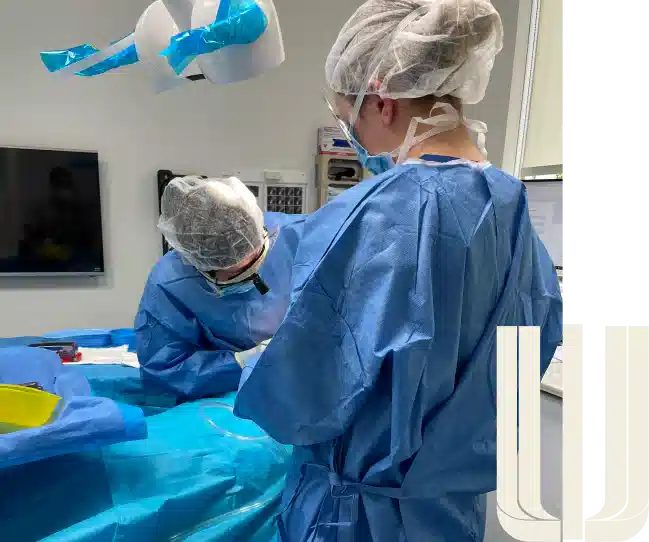
What is Pinhole Gum Surgery Procedure?
Since healthy gums are vital for a healthy mouth, treating gum recession is crucial for a long-lasting dental health. Pinhole gum surgery is a minimally invasive procedure to treat gum recession.
Although traditional grafting procedures are effective, similar results and better patient satisfaction are achievable with the use of advanced surgical techniques.
During the procedure, a small needle is used to create a small hole in the existing gum tissue. Through this hole, special instruments are used to gently loosen the gum tissues. They help in expanding and sliding the gum line until it covers the root structure that is exposed.
The duration of treatment can vary depending on the severity of your case and how many teeth have to be covered with the gum. It takes about 20 minutes to complete the pinhole procedure on every tooth. The time for recovery is only one or two days, which means that the whole procedure can be accomplished in one week.
There are quite a few benefits of pinhole gum surgery including:
- Helps prevent tooth loss and requirement of expensive procedures like dentures or implants
- Stops the progression of gum recession and bone loss
- Minimal discomfort and swelling
- Heals much faster in most cases
The costs can vary depending on your individual needs and treatment plan. Less severe cases can usually be treated in a single appointment and do not require dental sedation, whereas severe cases that affect all four quadrants of the mouth are more likely to require multiple appointments and require dental sedation.
Additionally, there is a higher possibility that you’ll need additional procedures in your dental treatment, like dental crowns, veneers, or dental bonding. This will add to the total price of your treatment.