


PRF Grafting in Implant Dentistry
PRF grafting is a new biomaterial used in implant dentistry for bone and soft tissue regeneration. PRF is a centrifuged preparation of autologous platelets rich in growth factors.
The material has been shown to promote wound healing and the regeneration of tissues. PRF grafting has been used successfully in a wide variety of medical treatments including those in implant dentistry.

The material has been shown to promote wound healing and the regeneration of tissues. PRF grafting has been used successfully in a wide variety of medical treatments including those in implant dentistry.
PRF grafting can be used alongside dental implant procedures to support healing and tissue regeneration in suitable cases.
By utilising the patient’s own blood-derived growth factors, PRF assists in supporting soft tissue healing and bone regeneration as part of an overall treatment plan.
Treatment recommendations vary depending on each patient’s oral health, bone quality, and surgical requirements.
What is Bone Grafting in Dentistry?
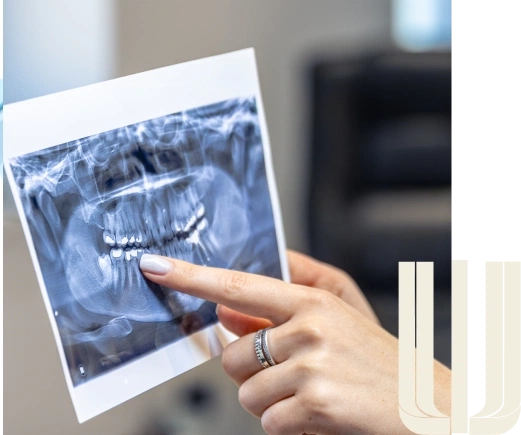
Bone grafting is a surgical procedure that is used in implant dentistry to fill in bone deficiencies. The goal of bone grafting is to promote bone healing and regeneration in order to improve the stability of dental implants.
What is PRF Grafting in Implant Dentistry?
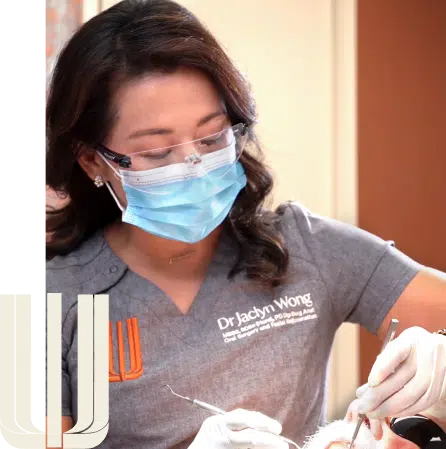
Platelet-rich fibrin (PRF) is a healing biomaterial utilised in implant dentistry. PRF is a concentrated form of platelets that are rich in growth factors. These growth factors support bone and soft tissue regeneration, making PRF an ideal material used in implant dentistry.
Who Needs PRF Grafting?
People may require PRF grafting for a variety of reasons. Some patients may require bone regeneration in preparation for dental implant placement, while others may require treatment support for periodontal disease or other dental issues.
PRF is a great material for promoting bone and soft tissue growth, making it a valuable tool for dental care.
What are The Benefits of PRF Grafting?

As PRF technology derives from the use of the patients’ blood and is a living biomaterial, there are fewer risks or limitations when it comes to the use of PRF. Some of the benefits include:
- PRF is readily available
- Preparation time for PRF requires little preparation time
- It can be safely produced at the chairside of the patient
- Using a PRF method is affordable for the patient and clinician
- There is little posed risk of having a foreign body response (rejection reaction)
Who Needs PRF Grafting?

People may require PRF grafting for a variety of reasons. Some patients may require bone regeneration in preparation for dental implant placement, while others may require treatment support for periodontal disease or other dental issues.
PRF is a great material for promoting bone and soft tissue growth, making it a valuable tool for dental care.
What are The Benefits of PRF Grafting?

As PRF technology derives from the use of the patients’ blood and is a living biomaterial, there are fewer risks or limitations when it comes to the use of PRF. Some of the benefits include:
- PRF is readily available
- Preparation time for PRF requires little preparation time
- It can be safely produced at the chairside of the patient
- Using a PRF method is affordable for the patient and clinician
- There is little posed risk of having a foreign body response (rejection reaction)
What is The Difference Between PRF and PRP?
PRP (platelet-rich plasma) is an earlier generation of stem cells. The PRP is found in the layer of serum adjacent to the red packed cells.
PRF (platelet-rich fibrin) is a newer generation of stem cells. PRF is found throughout the whole zone of the serum created after separating the blood.
This grafting process consists of a concentrated form of platelets that are rich in growth factors. These growth factors promote bone and soft tissue regeneration.
You may have heard of PRP over the years. Platelet-rich plasma (PRP) is the use of plasma (the largest liquid portion of your blood) to stimulate successful healing and cell regeneration. It has been used to treat torn tendons, tendinitis, muscle injuries, arthritis-related pain, and joint injuries.
PRP has also gained significant popularity over the years for its use in cosmetic treatments. These include anti-ageing treatments for damaged, wrinkled or sagging skin, stimulating collagen production and decreasing fine lines, as well as hair loss regeneration from dormant hair follicles.
Yes, PRF (Platelet-Rich Fibrin) grafting is generally considered a safe procedure when performed by a qualified professional, such as Dr Jaclyn Wong.
PRF grafting utilises your body’s own blood to promote healing and tissue regeneration, reducing the risk of rejection or complications. Dr Wong’s approach involves careful preparation and personalised care to ensure optimal outcomes for each patient. The procedure is minimally invasive, and since it uses your own blood, there is no risk of allergic reactions or transmission of diseases.
Platelet-rich fibrin (PRF) is generally considered a safe treatment option when administered by trained professionals. It utilises the body’s own natural healing components, which reduces the risk of adverse reactions or allergies.
Consulting with a qualified dental professional can help determine whether PRF is suitable for your individual needs and treatment goals.
PRF (Platelet-Rich Fibrin) grafting is a procedure that can benefit a variety of patients, particularly those undergoing oral surgery or seeking advanced treatments for dental regeneration. It is recommended for individuals who need enhanced healing after procedures like tooth extractions, dental implant placements, or bone grafting.
Dr Jaclyn Wong offers PRF grafting as a way to accelerate the healing process and improve the outcome of surgeries by utilising the body’s own platelets and growth factors. This natural treatment can benefit patients with insufficient bone for implants, those recovering from oral trauma, or those looking to minimise post-surgical complications. Additionally, PRF grafting can be helpful for patients with gum disease or those with slow recovery due to other health conditions.
PRF (Platelet-Rich Fibrin) grafting is an advanced technique used in implant dentistry to enhance healing and tissue regeneration. This procedure involves the use of a patient’s own blood, which is processed to concentrate platelets and growth factors that promote healing, reduce inflammation, and encourage bone regeneration. PRF grafting is often employed in conjunction with dental implants to ensure optimal results, particularly when bone grafting is necessary to support the implant.
PRF grafting works by leveraging the body’s natural healing properties. After drawing a small amount of blood from the patient, it is processed in a centrifuge to separate the platelet-rich fibrin from the rest of the blood components. The PRF is then carefully placed in the area of the implant site, where it helps to speed up tissue regeneration and bone growth, improving the overall success and longevity of dental implants.
After PRF treatment, you can expect the body’s natural healing process to take place, promoting tissue regeneration and gradual improvement. Mild discomfort, swelling, and bruising are temporary signs that the treatment is working. Adhering to post-treatment instructions and attending scheduled follow-up appointments will contribute to a positive outcome.
Feel free to reach out to your healthcare provider with any questions or concerns for personalised care and reassurance.
PRF (Platelet-Rich Fibrin) grafting offers several key benefits for dental implants. It improves the healing process by accelerating tissue regeneration and improving bone integration around the implant site.
Dr Jaclyn Wong utilises PRF grafting to increase the success rate of implants, as it provides a natural and effective way to support bone growth and reduce post-surgical complications. This technique not only promotes faster recovery but also helps in attaining better overall outcomes for dental implant procedures.
Yes, PRF (Platelet-Rich Fibrin) grafting can help reduce recovery time after dental implant placement. Dr Jaclyn Wong utilises PRF grafting to improve the healing process by using the body’s own growth factors to promote faster and more efficient tissue regeneration. This approach can lead to quicker recovery, less discomfort, and improved outcomes for patients undergoing dental implant procedures.
PRF (Platelet-Rich Fibrin) grafting is generally considered safe, with minimal risks. However, as with any procedure, there can be potential side effects such as minor swelling, bruising, or discomfort at the graft site.
Dr Jaclyn Wong ensures that patients are thoroughly informed and closely monitored throughout the process to mitigate any risks and address any concerns that may arise. If you experience persistent issues or have questions post-procedure, Dr Wong is available to provide personalised care and support.
PRF Grafting for Implant Dentistry in Melbourne
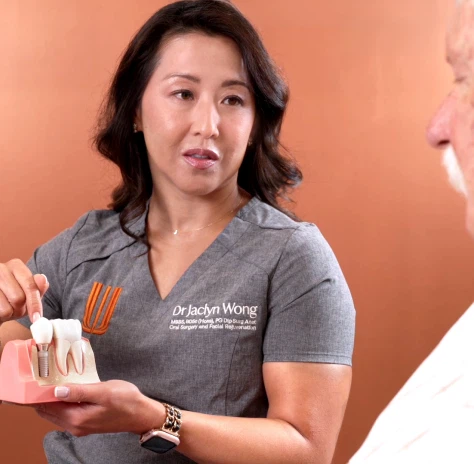
If you would like more information on PRF grafting or wish to request an appointment with Dr Jaclyn Wong, please contact us today.