


Ultrasound-Guided Masseter Treatment
Ultrasound guided masseter muscle relaxant treatment offers a more precise, personalised and medically advanced approach to treat concerns such as jaw tension, teeth grinding and clenching habits, TMJ or facial rejuvenation. Instead of ”blind’ injection techniques, Dr Jaclyn Wong can treat the exact position using real-time imaging, which not many offer.
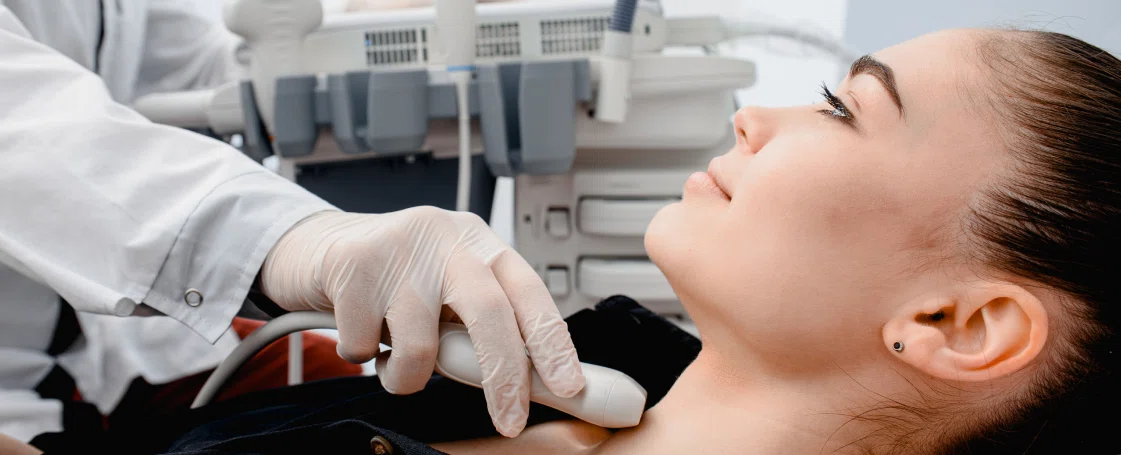
Traditionally, masseter muscle relaxation treatments are performed without imaging guidance, with practitioners relying on anatomical knowledge and clinical experience to determine injection sites.
However, because the masseter muscle sits close to surrounding anatomical structures, accurate assessment and treatment planning are important considerations during treatment.
To assist with treatment planning, Dr Jaclyn Wong uses a handheld ultrasound device to scan the masseter muscles prior to treatment. This allows visualisation of the muscle structure, its boundaries, and its relationship to nearby anatomical features.
Using this information, Dr Wong can develop an individualised treatment plan tailored to each patient’s anatomy. Ultrasound imaging can also be used to monitor changes in masseter muscle thickness over time providing an objective assessment of treatment effects.
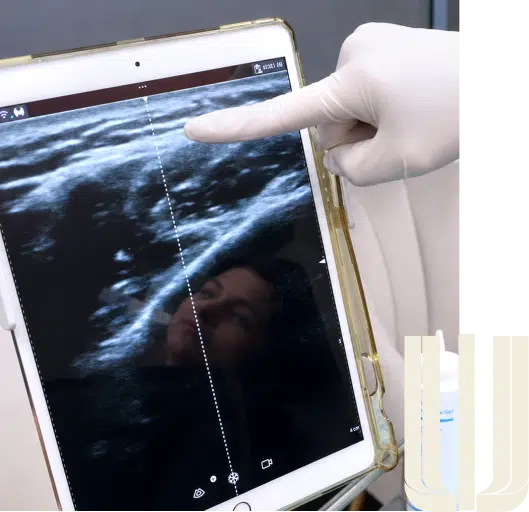
Using Ultrasound During Injection Placement
Ultrasound is not only used for diagnosis but also for the actual treatment procedure. During the injection, Dr Wong continues to use ultrasound to monitor the masseter muscle in real time. This allows visualisation of the needle position and depth within the muscle throughout the procedure.
Real-time ultrasound guidance assists in placing the injection in the intended area of the muscle while avoiding surrounding structures.
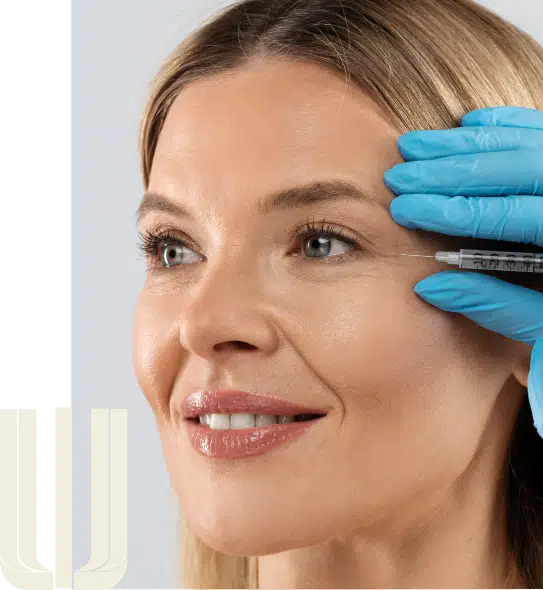
Why Accurate Injection Placement is Important
The masseter muscle plays an essential role in biting, chewing, and speaking. Accurate placement of injections is important to help minimise the risk of functional or cosmetic concerns. Potential issues that can occur if injections are not placed appropriately include:
- Asymmetrical Smiles: If nearby muscles are affected, it may lead to an uneven smile or altered facial expressions, such as one side appearing shorter than the other.
- Xerostomia (Dry Mouth): If the injection impacts the parotid gland, it may reduce salivary flow, resulting in dry mouth.
- Paradoxical Masseteric Bulging (PMB): If the muscle relaxant is not evenly distributed within the masseter muscle, some sections may remain active and become overactive, leading to visible bulging. This can sometimes occur during a treatment course and may be addressed with additional doses to relax the remaining active areas.
A thorough assessment and precise technique are essential to minimise these risks.
Potential Issues with Incorrect Injection Placement
If masseter injections are not placed accurately, certain complications may occur, such as:
- Smile Asymmetry: Changes in smile symmetry can last for three weeks or longer.
- Xerostomia (Dry Mouth): Reduced salivary flow may occur if nearby structures are affected.
These effects generally resolve over time as the treatment wears off, and there are limited options to reverse them immediately.
Using ultrasound guidance during masseter muscle relaxation treatments can assist in reducing the risk of such complications. Visualising the needle position within the muscle allows for more precise placement, supporting accurate targeting and avoiding surrounding structures.
Ultrasound Masseter Treatments in Melbourne

If you are considering masseter muscle relaxation treatments for cosmetic concerns, to assist with jaw discomfort, or to help manage dental-related issues such as teeth grinding, contact Dr Jaclyn Wong’s team to arrange a consultation. Dr Wong uses ultrasound guidance for masseter treatments to support accurate injection placement tailored to each patient’s anatomy.